
Water Moccasin / Cottonmouth Identification
Northeast Florida's Most Dangerous Aquatic Snake
The cottonmouth (Agkistrodon piscivorus) is the only venomous aquatic snake in North America — and it's common throughout Jacksonville, St. John's County, and St. Augustine. Knowing how to identify one could save your life.
Quick Identification Guide
Head shape
Broad, triangular, arrow-shaped — distinctly wider than the neck
Pupils
Vertical, cat-like elliptical pupils (not round)
Pit organs
Heat-sensing pit between eye and nostril on each side
Body
Heavy, thick body relative to length — 2 to 4 feet typical
Coloring
Dark brown to black with faint banded pattern; older adults often solid black
Tail tip
Thin, tapered tail — often used to lure prey (caudal luring)
Mouth
Bright white interior — the 'cotton' that gives it its name, displayed as a threat warning
Neck
Narrow neck behind the wide head creates a distinct 'neck' — unlike non-venomous watersnakes
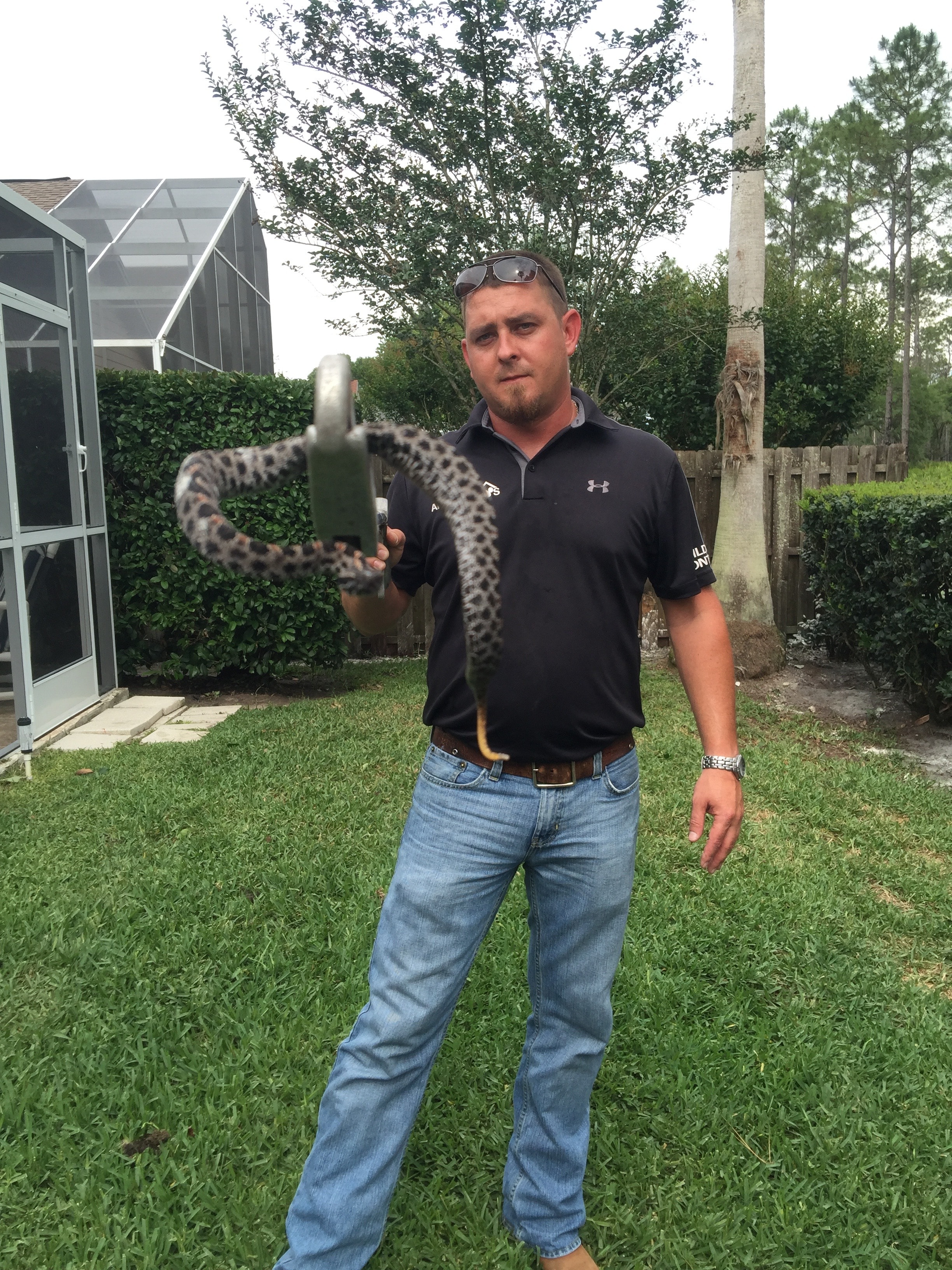
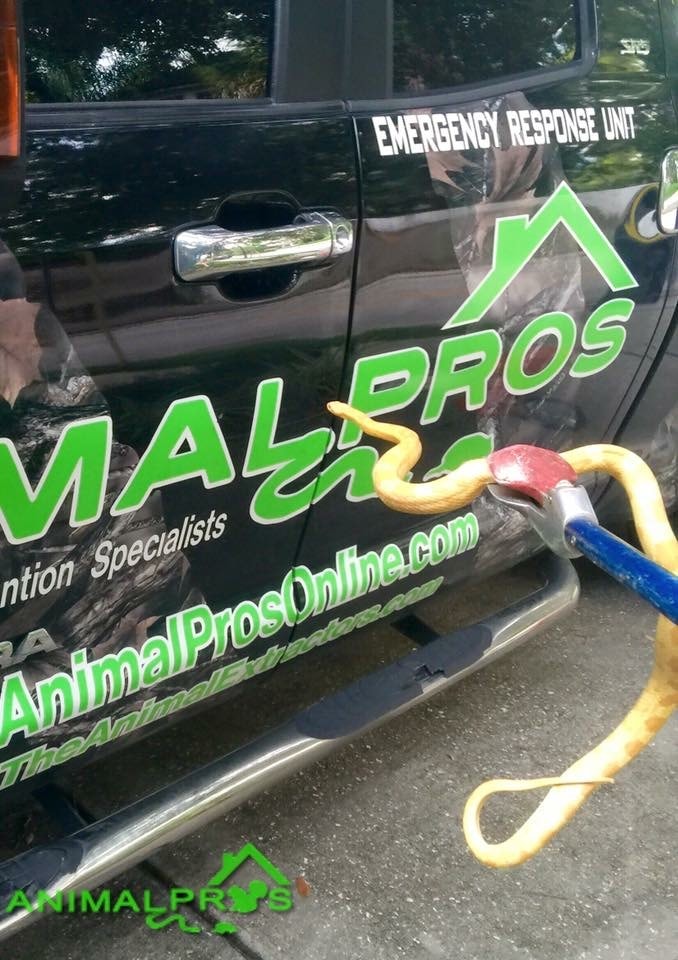
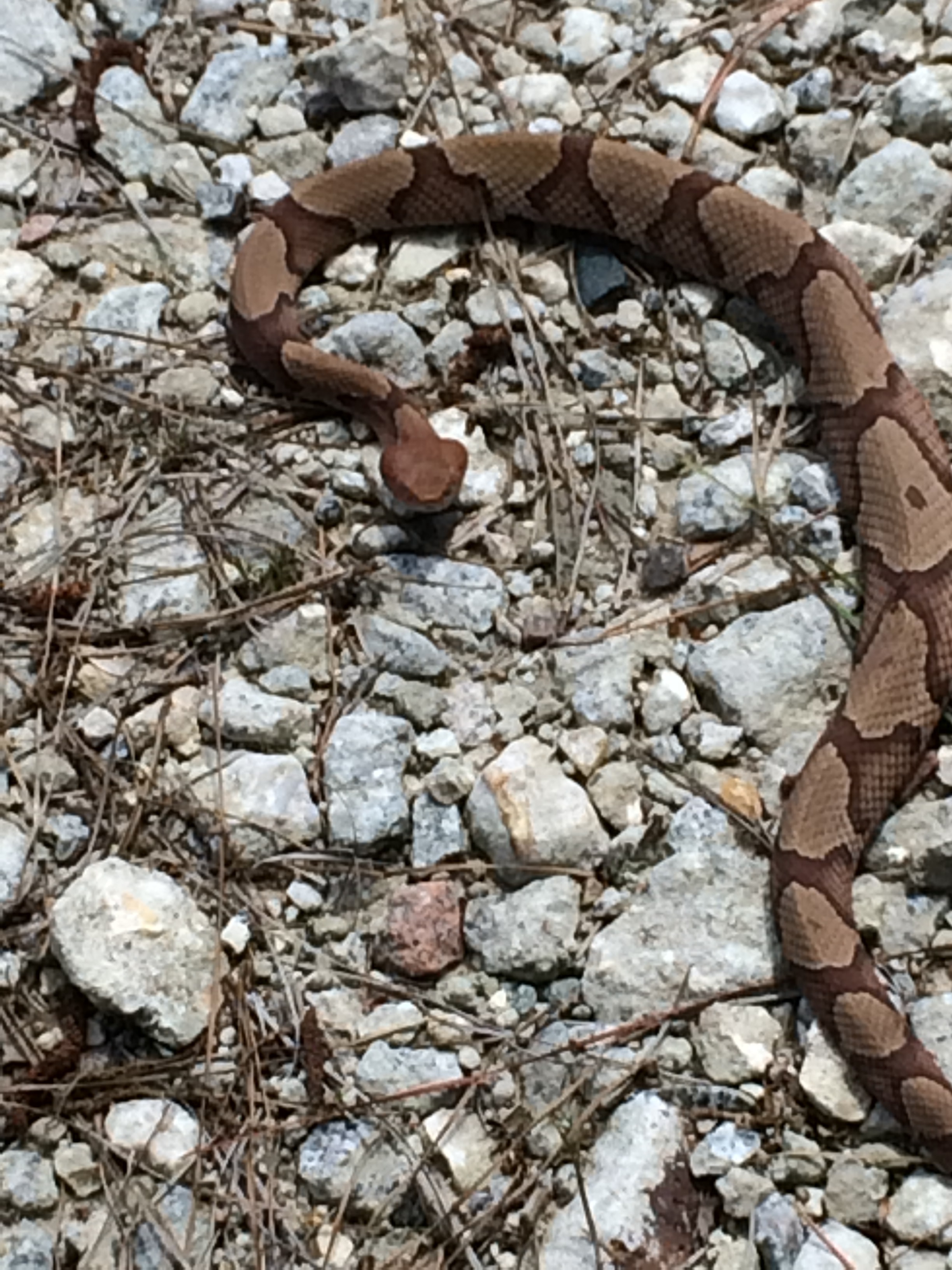
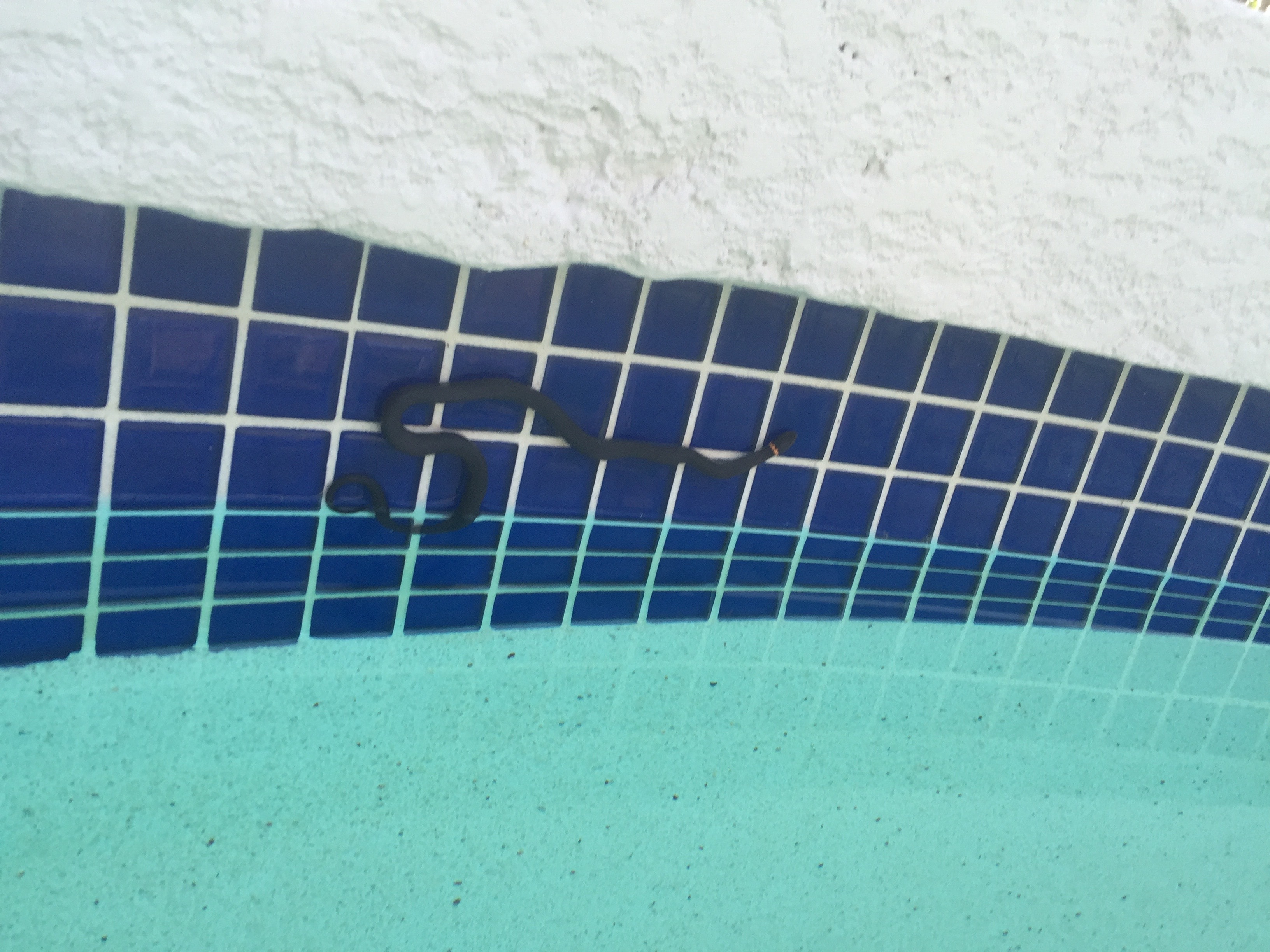
Behavior & Habitat
Where They Live
Cottonmouths are found near virtually every body of water in Northeast Florida — lakes, ponds, rivers, marshes, swamps, drainage ditches, retention ponds, and even swimming pools. They are especially common in the St. Johns River basin, Julington Creek, and coastal marshes around St. Augustine.
When They're Active
Active year-round in Florida's warm climate, cottonmouths are most active at night and during warm evenings. They bask on logs, rocks, and banks during the day. Unlike most snakes, they do not always flee — they may stand their ground and display their white mouth as a warning.
Threat Behavior
When threatened, a cottonmouth will coil, flatten its body, vibrate its tail, and gape its mouth wide to display the white interior. This is a serious warning. Do not approach, attempt to handle, or try to kill the snake — back away slowly and call a professional.
Common Look-Alikes in Northeast Florida
Several harmless watersnakes are frequently mistaken for cottonmouths. Misidentification leads to unnecessary fear — and sometimes the killing of beneficial non-venomous species. Key differences:
Banded Watersnake (Nerodia fasciata)
Non-venomousRound pupils, narrow head that blends into neck, slender body, no heat pits. Banding is more distinct and contrasting. Will flatten body when threatened, which can make head look triangular — but head shape is still narrower.
Florida Watersnake (Nerodia floridana)
Non-venomousRound pupils, narrow head, uniform olive-brown coloring with faint pattern. Slender body. Very common in Florida ponds and lakes — often mistaken for cottonmouth.
Brown Watersnake (Nerodia taxispilota)
Non-venomousRound pupils, heavy body (can look similar in water), but head is narrower and neck is less distinct. Squarish blotches rather than bands. Climbs trees and shrubs over water.
Midland Watersnake (Nerodia sipedon pleuralis)
Non-venomousRound pupils, narrow head, banded pattern. Slender body. Frequently found in the same habitats as cottonmouths.
Venom & Medical Importance
Cottonmouth venom is hemotoxic — it destroys tissue and interferes with blood clotting. Bites cause severe local tissue damage, swelling, and pain. Without prompt medical treatment, bites can result in permanent tissue loss or, rarely, death. If bitten: stay calm, immobilize the affected limb, and get to an emergency room immediately. Do NOT apply a tourniquet, cut and suck the wound, or apply ice.
What To Do If You See One
Keep your distance — stay at least 6 feet away
Keep children and pets away from the area immediately
Do not attempt to handle, capture, or kill the snake
Note the location and any identifying features if safe to do so
Call Jacksonville Snake Removal at (904) 512-1281 for safe, professional removal
Licensed Cottonmouth Removal — Northeast Florida
Our technicians are trained in safe venomous snake handling and relocation. We serve Jacksonville, St. John's County, and St. Augustine 24/7.
Call (904) 512-1281